
The Ultimate Guide to Office Silent Booths: Revolutionizing Modern Workspaces
What Is an Office Silent Booth and Why It’s Gaining Popularity
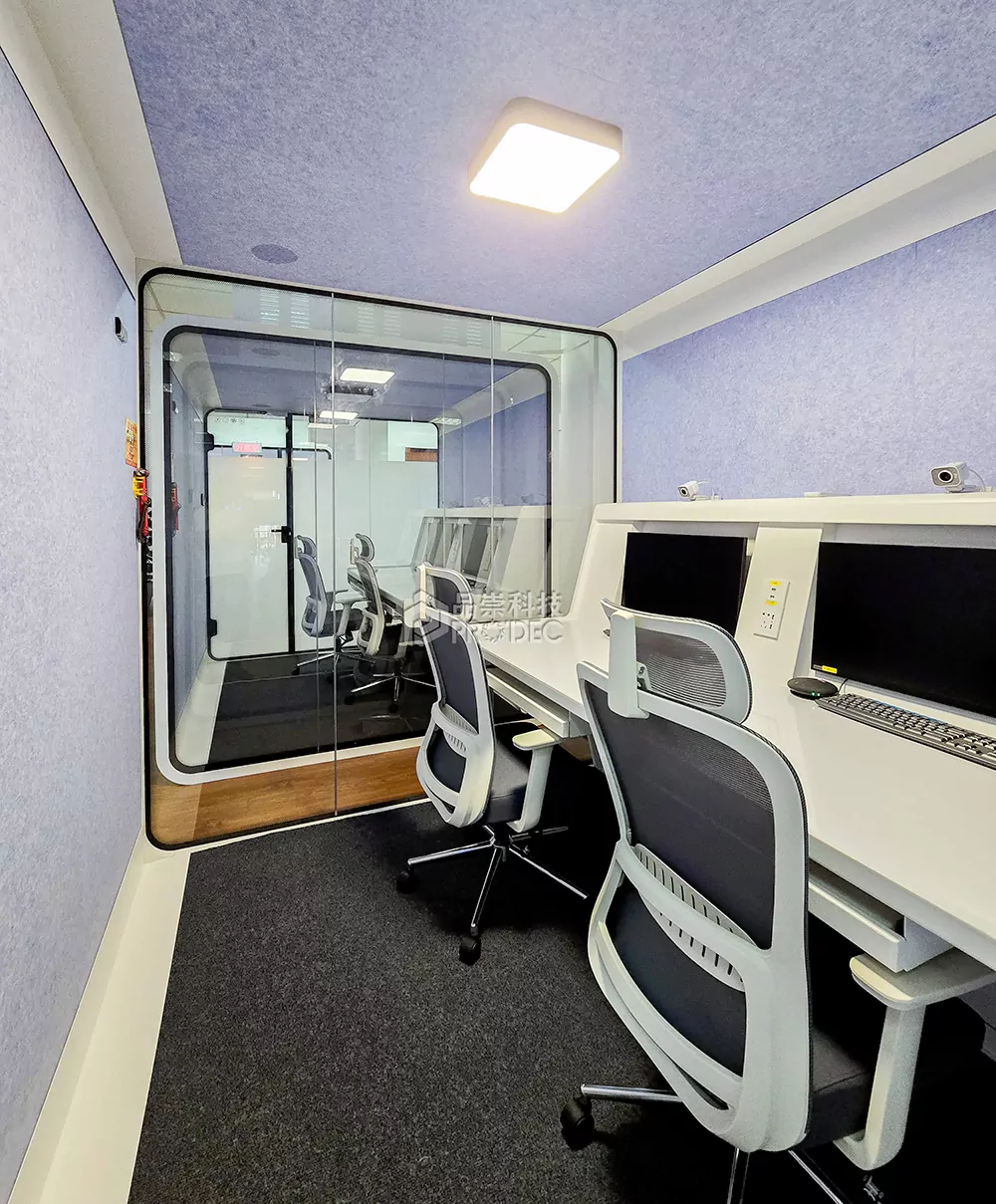
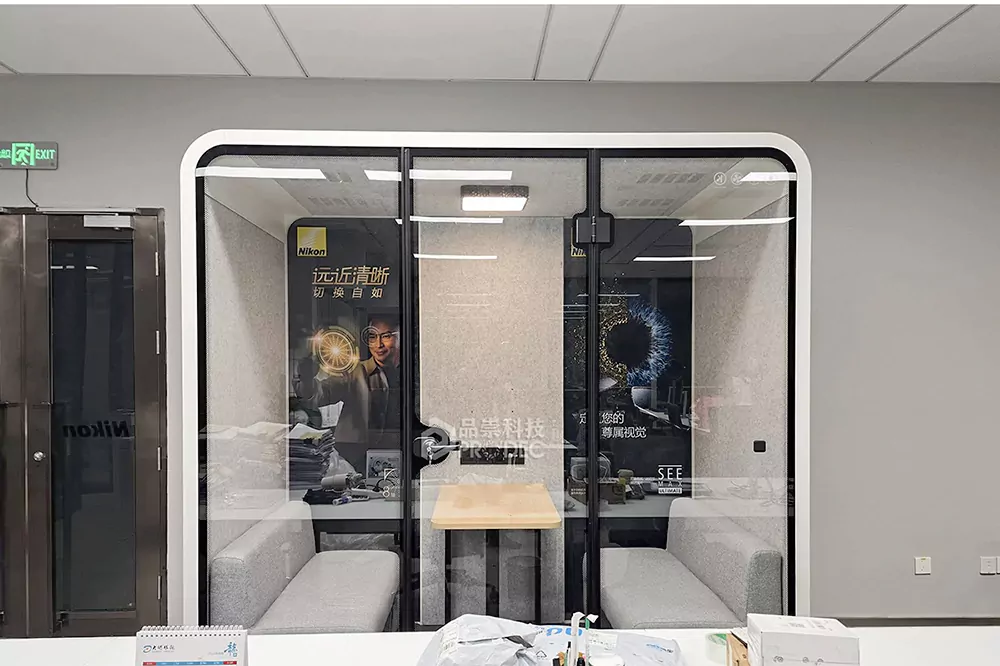
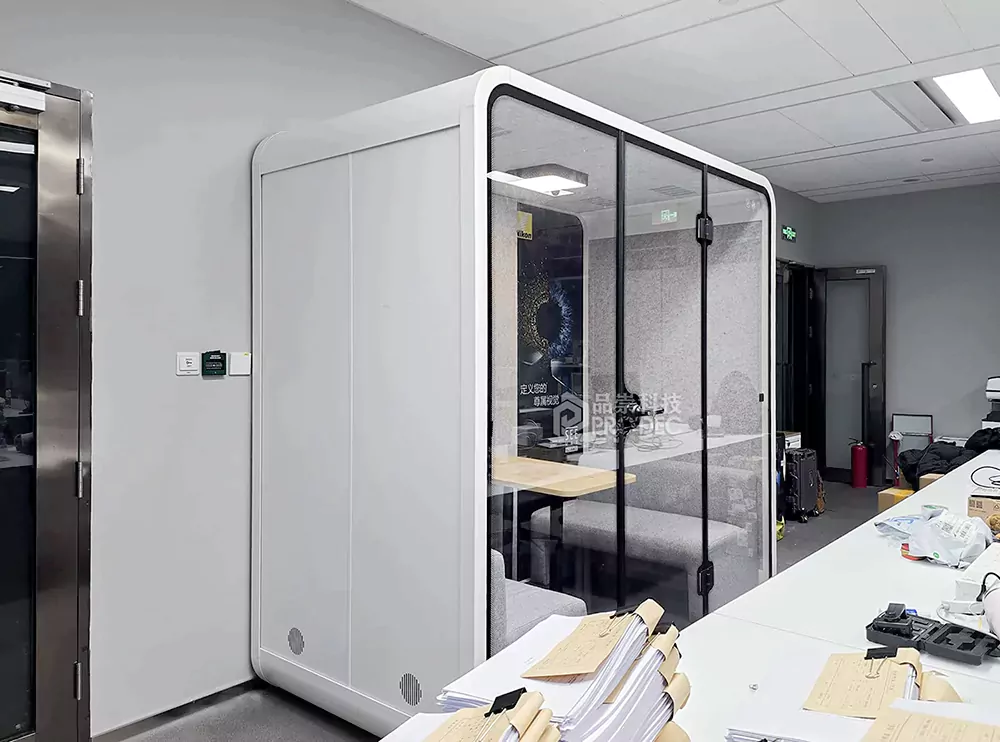
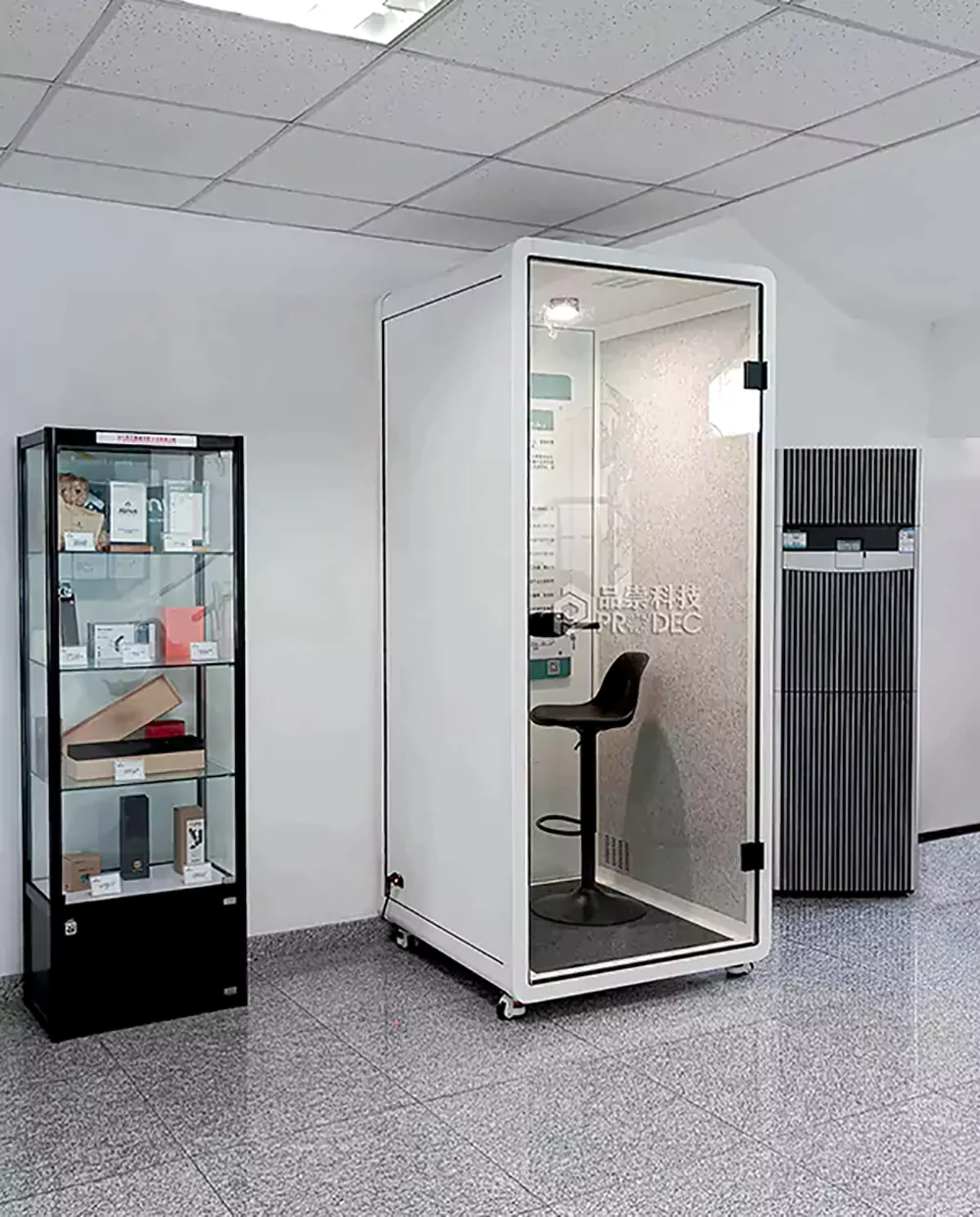
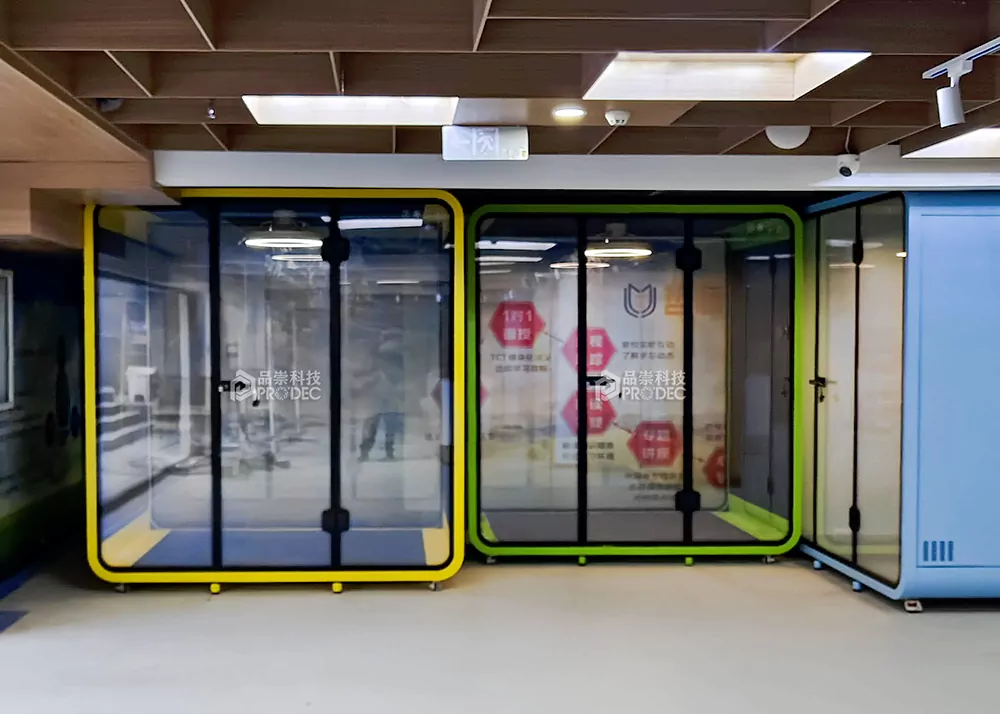
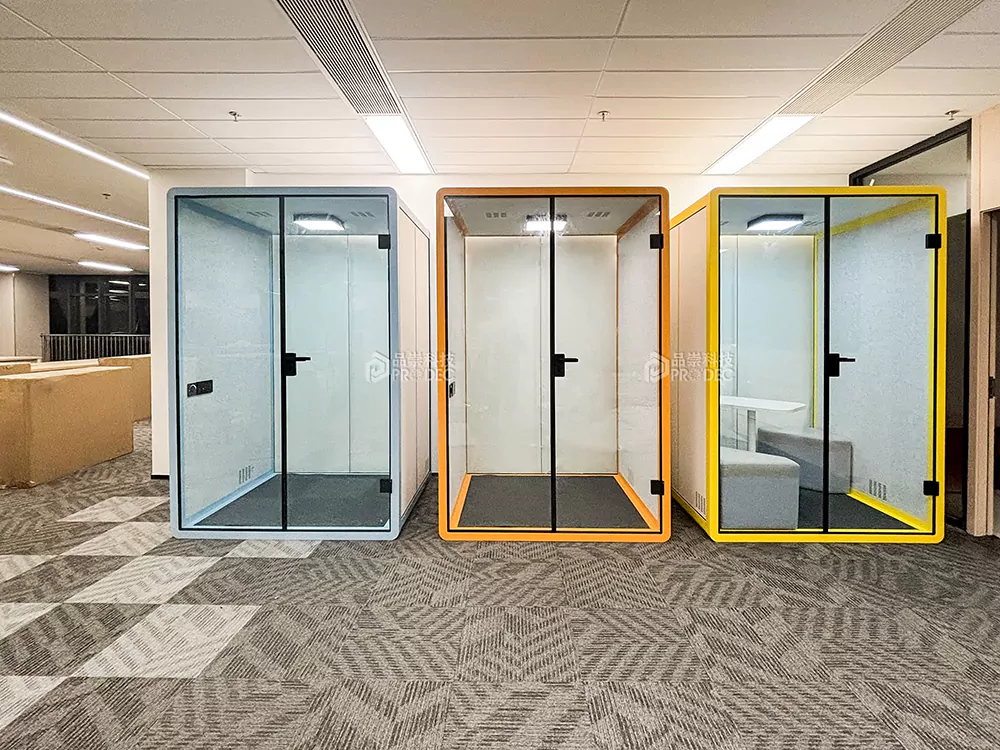
In today’s fast-paced, open-concept office environments, finding a quiet space to focus or take a private call can be a challenge. Enter the office silent booth—a compact, soundproof pod designed to offer employees a distraction-free zone for calls, video conferences, focused work, or even short breaks. These self-contained units are engineered with acoustic insulation materials and sleek, modern designs that blend seamlessly into contemporary office layouts.
Originally popularized in tech-forward companies, silent booths are now being adopted across industries—from healthcare and education to hospitality and corporate offices. Their rise in popularity stems from a growing recognition of the importance of mental well-being and productivity in the workplace. With noise pollution being a major contributor to reduced concentration and increased stress, these booths provide a tangible solution. Unlike traditional meeting rooms that require significant space and infrastructure, office silent booths are modular, portable, and easy to install, making them ideal for both small startups and large enterprises.
Key Features That Define a High-Quality Office Silent Booth
Not all silent booths are created equal. To ensure you’re investing in a product that delivers real value, it’s essential to understand the core features that define a premium office silent booth. First and foremost is acoustic performance. Look for models with multi-layered soundproofing, typically combining 9mm to 12mm tempered glass, dense insulation panels, and sealed door systems that achieve noise reduction levels of up to 30–40 dB.
Another critical factor is material quality and durability. Top-tier booths use corrosion-resistant aluminum frames combined with carbon fiber reinforcements for lightweight strength. This not only enhances portability but also ensures long-term reliability, especially in high-traffic environments. Additionally, many modern designs incorporate energy-efficient LED lighting (often 4000K for optimal clarity), silent ventilation fans, and optional air purifiers to maintain air quality without compromising on quietness.
Modular Design and Customization Options
One of the standout advantages of today’s office silent booths is their modular and convertible design. Unlike fixed structures, these pods can be reconfigured to suit evolving workspace needs. Whether you need a single-person phone booth or a larger 6-person meeting pod, many manufacturers offer scalable solutions. Some models even allow for adjustable interior heights and built-in storage compartments, enabling personalized setups tailored to user preferences.
Customization extends beyond functionality. You can choose from various finishes, color schemes, and glazing options to match your office aesthetic. This flexibility makes silent booths not just functional additions but also design elements that enhance the overall look and feel of your workspace. For businesses sourcing in bulk, suppliers on platforms like Alibaba.com often provide competitive pricing and customization at scale—starting as low as $699 per unit for large orders.
Where to Use Office Silent Booths: Versatile Applications Across Industries
The versatility of office silent booths goes far beyond traditional corporate settings. These acoustic pods are being deployed in a wide range of environments, each benefiting from their privacy and noise control features. In hotels and co-working spaces, they serve as private calling zones for business travelers. In hospitals and clinics, they offer staff a quiet place for patient consultations or administrative tasks without disrupting sensitive areas.
Educational institutions are using them as study pods or interview rooms, while retail stores and shopping malls integrate them as customer service hubs or telehealth stations. Even outdoor installations are possible thanks to weather-resistant materials and UV-protected glass, allowing deployment in courtyards, patios, or garden offices. This adaptability makes silent booths a future-proof investment for any organization looking to enhance user experience and operational efficiency.
Indoor vs. Outdoor Silent Booths: What’s the Difference?
While most office silent booths are designed for indoor use, there’s a growing demand for outdoor-capable models. These units are built with enhanced sealing, rust-proof materials, and thermal insulation to withstand varying weather conditions. They often include advanced ventilation systems to regulate temperature and prevent condensation on windows.
Outdoor booths are particularly useful for companies with limited indoor space or those aiming to create wellness-focused environments by placing pods in green spaces. However, they typically come at a higher price point—ranging from $1,899 to over $4,500 depending on size and features—due to the added engineering required for environmental resilience. When choosing between indoor and outdoor models, consider your location, climate, and intended usage frequency to make the most cost-effective decision.
How Office Silent Booths Improve Productivity and Employee Well-Being
It’s no secret that constant background noise in open offices leads to decreased concentration and increased cognitive fatigue. Studies have shown that employees lose up to 86 minutes per day due to distractions—a staggering figure when scaled across an entire workforce. By providing a dedicated, quiet environment, office silent booths directly combat this issue, enabling deeper focus and faster task completion.
Beyond productivity, these pods contribute significantly to employee well-being. They offer a sense of psychological safety and privacy, which is crucial for mental health. Employees can step away from their desks for a confidential call, meditate, or simply decompress during a busy day. This autonomy fosters a culture of trust and work-life balance, ultimately boosting job satisfaction and reducing turnover rates. Companies that invest in such amenities often see improved employer branding and higher engagement scores.
Supporting Hybrid and Remote Work Models
With the rise of hybrid work, many employees split their time between home and the office. When they do come in, they need spaces that support collaboration and individual focus. Silent booths fill this gap perfectly. Instead of reserving large conference rooms for solo video calls, workers can use a compact pod, freeing up valuable real estate for team meetings.
Moreover, for remote workers visiting the office occasionally, these booths provide a consistent, professional environment for client calls without needing a permanent desk. This flexibility supports a more inclusive and efficient hybrid model, where every square foot of office space is optimized for purpose-driven activities rather than static seating.
Buying Guide: How to Choose the Right Office Silent Booth
Selecting the right office silent booth involves more than just aesthetics—it requires careful evaluation of technical specifications, certifications, and supplier reliability. Start by assessing your space and usage needs. How many people will use the booth? Will it be for calls, meetings, or deep work? Based on this, decide between single-person cabins or larger modular meeting pods.
Next, verify that the product meets international standards. Look for CE, BV, and ISO certifications, which ensure compliance with safety, quality, and environmental regulations. These credentials are especially important for institutional buyers or those operating in regulated industries. Also, check the manufacturer’s warranty, lead time, and after-sales support—key indicators of service quality.
Pricing, Bulk Orders, and ROI Considerations
Price ranges vary widely, from around $700 for basic models to over $4,500 for premium, large-capacity pods. Bulk purchasing can significantly reduce costs; for example, ordering 200+ units may bring the per-unit price down to $699. While the initial investment might seem high, consider the return on investment (ROI): increased productivity, reduced absenteeism, and improved employee retention often justify the expense within months.
Additionally, many suppliers offer financing options, leasing programs, or rental models, making it easier to adopt silent booths without a large upfront commitment. When calculating ROI, factor in the cost of lost productivity due to noise distractions—it adds up quickly. A single booth paying for itself in improved output is not just plausible; it’s increasingly common in forward-thinking organizations.
 English
  German
  Arabic
  Japanese
  French
  Spanish